
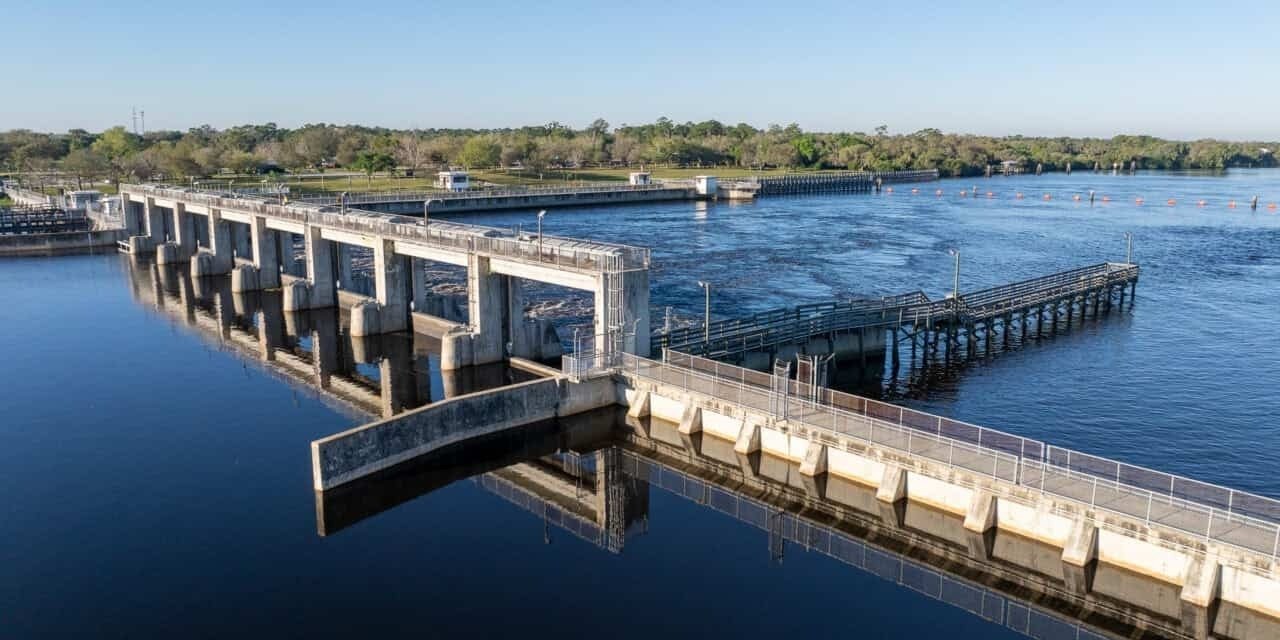
Releases may start small, but the forecast points to a wet dry season and a rising lake
This isn't a crisis yet. Going into this rain with a low lake is exactly what we've advocated for, and it's the best-case starting point for what could be an ugly winter. That low start is why lake releases can stay in a healthy range for now. But the lake has already climbed two feet in three weeks, and a strong El Niño could use up the rest of that cushion. It's that potential for future higher-volume, damaging discharges that has us keeping a very close eye on this situation and what it could mean for our communities that depend on healthy waterways.
Capt. Daniel Andrews, CEO and cofounder of Captains For Clean Water
When there's no room to send water south, the pressure falls on the estuaries. That's the bottleneck we have to fix.
Capt. Daniel Andrews, CEO and cofounder of Captains For Clean Water
Media Contact
Director of Education & Awareness, Captains For Clean Water
Interview Availability
Notes to Editors
- Lake levels: Figures are in NGVD29, the standard used in past Lake Okeechobee coverage. The Corps and SFWMD now also report in NAVD88, which reads about 1.3 feet lower: 14.56 feet NGVD29 equals 13.25 feet NAVD88.
- Healthy flow range: 750 to 2,100 cfs at S-79 is the RECOVER 2020 optimum flow envelope for the Caloosahatchee Estuary. Flows of 2,100 to 2,600 cfs are considered stressful, and above 2,600 damaging.
- Flow: 1 cubic foot per second is about 646,000 gallons a day, so 2,000 cfs is about 1.3 billion gallons a day.
- Sources: USACE media call, Nov. 20, 2026; SFWMD Operational Position Statements of Oct. 29, 2026 and Nov. 19, 2026; RECOVER 2020 flow envelope, as summarized by SCCF.
